
KYC Verification at Ontario Online Casinos — What You Actually Need to Know
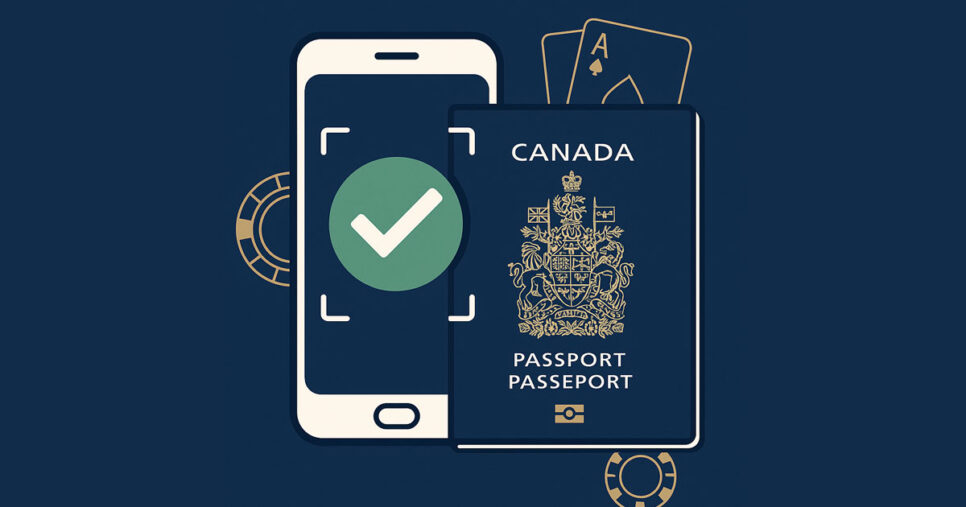
Signing up at an Ontario online casino and suddenly they’re asking for your passport? Welcome to KYC verification — the part of online gambling that nobody gets excited about, but everyone has to do.
KYC stands for Know Your Customer. It’s the process where casinos verify that you are who you say you are. Not exactly thrilling stuff, but here’s why it matters and what you’ll need to get through it without a headache.
Why Ontario casinos need to verify your identity
Every AGCO-licensed casino in Ontario is legally required to verify players before allowing withdrawals. This isn’t optional — it’s baked into both provincial regulations and federal anti-money laundering law.
At the federal level, the Financial Transactions and Reports Analysis Centre of Canada (FINTRAC) enforces the Proceeds of Crime (Money Laundering) and Terrorist Financing Act. This legislation requires all gaming operators to perform identity verification when players create accounts and conduct certain transactions.
In Ontario specifically, the Alcohol and Gaming Commission of Ontario (AGCO) and iGaming Ontario add another layer of requirements. Casinos must confirm three things before you play:
- You’re at least 19 years old
- You’re physically located in Ontario
- You are who you claim to be
The regulations exist to prevent fraud, stop money laundering, block underage gambling, and protect players from identity theft. It’s the same reason banks verify your identity when you open an account — except casinos have even stricter requirements because gambling is a regulated activity.
What documents you’ll need
Ontario casinos typically request documents in stages. Here’s what most players will need to provide:
Proof of identity (required)
A government-issued photo ID that shows your full name, date of birth, and photo. Accepted documents include:
- Canadian passport
- Ontario driver’s licence
- Ontario photo card
- Permanent resident card
- Canadian citizenship card
The ID must be valid and not expired. Blurry photos or cut-off edges will get rejected, so take your time when uploading.
Proof of address (often required)
A document showing your name and Ontario address, dated within the last three months:
- Utility bill (hydro, gas, water, internet)
- Bank or credit card statement
- Government correspondence
- Lease agreement
P.O. boxes generally won’t cut it — casinos need to verify you’re actually in Ontario.
Payment verification (sometimes required)
If you’re withdrawing to a specific payment method, casinos may ask you to prove you own it:
- Photo of your debit or credit card (mask the middle digits)
- Screenshot of your e-wallet account showing your name
- Bank statement showing the account number
This prevents someone from withdrawing your winnings to their own account.
Selfie or liveness check (increasingly common)
Many Ontario casinos now use automated verification that asks you to take a selfie or short video. The system compares your face to your ID photo in real time. It sounds invasive, but it’s actually faster than manual document review and helps prevent identity fraud.
When verification happens
The timing varies by casino, but here’s the general pattern:
- At registration: Most Ontario casinos run a basic identity check when you create your account. This typically involves matching your name, address, and date of birth against Canadian credit bureau data. If everything lines up, you’re verified instantly and can start playing.
- First withdrawal: If the automatic check didn’t fully verify you, or if you’re withdrawing for the first time, expect a document request. Many players breeze through registration only to hit a wall when they try to cash out.
- Threshold triggers: Larger deposits or withdrawals — particularly anything approaching $10,000 — may trigger enhanced verification. FINTRAC requires casinos to verify identity for cash transactions of $10,000 or more, and most casinos apply similar thresholds to online transactions.
- Periodic re-verification: If your account has been dormant or your circumstances change (new address, new payment method), the casino may ask you to verify again.
How long verification takes
This is the part that frustrates people. Verification can take anywhere from a few seconds to a few days depending on the method:
Instant (automated): If the casino uses digital identity verification — matching your data against credit bureau records or using AI-powered document scanning — you could be verified within minutes of signing up.
Same day (manual review): If a human needs to review your documents, expect a few hours to one business day. Weekends and holidays slow this down.
Extended (issues found): If your documents are unclear, don’t match your account details, or raise flags, verification can stretch to 48-72 hours while the casino requests additional information.
The fastest path? Complete verification immediately after signing up, before you even make your first deposit. That way your first withdrawal won’t be held up by last-minute document requests.
Tips for smooth verification
A few things that will save you time and frustration:
- Use matching information everywhere. The name on your casino account should exactly match your ID, which should exactly match your payment method. Even small differences — like “Mike” versus “Michael” — can cause delays.
- Submit clear, complete documents. Full colour scans or photos. All four corners visible. No glare, no blur, no fingers in the frame. If the document has two sides, submit both.
- Don’t crop or edit anything. Casinos need to see the full document to verify it hasn’t been tampered with. Cropping out “unnecessary” parts will likely get your submission rejected.
- Check your email. Verification requests often come via email. If you miss the request or take too long to respond, your withdrawal sits in limbo.
- Verify your payment method early. If you plan to withdraw via Interac or a specific bank account, make sure that method is verified before you need it.
What about privacy?
Fair question. You’re handing over sensitive documents to a gambling site — that deserves some scrutiny.
Licensed Ontario casinos are required to protect your data under both provincial privacy laws and AGCO regulations. This means encrypted transmission, secure storage, and restrictions on who can access your information.
A few things to keep in mind:
- Only play at AGCO-licensed casinos. Look for the iGaming Ontario logo on the site. Offshore casinos aren’t bound by the same rules and may not protect your data.
- Read the privacy policy. It should explain how your documents are stored, who has access, and how long they’re retained.
- Use secure connections. Don’t upload sensitive documents over public WiFi.
Casinos are required to keep certain records for at least five years under FINTRAC regulations. After that, your data should be deleted according to their retention policy.
What happens if you refuse to verify?
Short answer: you won’t be able to withdraw.
Licensed casinos can’t skip KYC — it’s a legal requirement. If you decline to verify, the casino will suspend your account and hold any winnings until you comply. In some cases, accounts that remain unverified for extended periods are closed entirely.
This is one reason to avoid depositing more than you’re comfortable potentially having locked up. Get verified first, then play.
Sources:
- Financial Transactions and Reports Analysis Centre of Canada (FINTRAC) — Methods to verify identity of persons and entities
- FINTRAC — When to verify identity — Casinos
- Alcohol and Gaming Commission of Ontario (AGCO) — Registrar’s Standards for Internet Gaming
- iGaming Ontario — Player Information